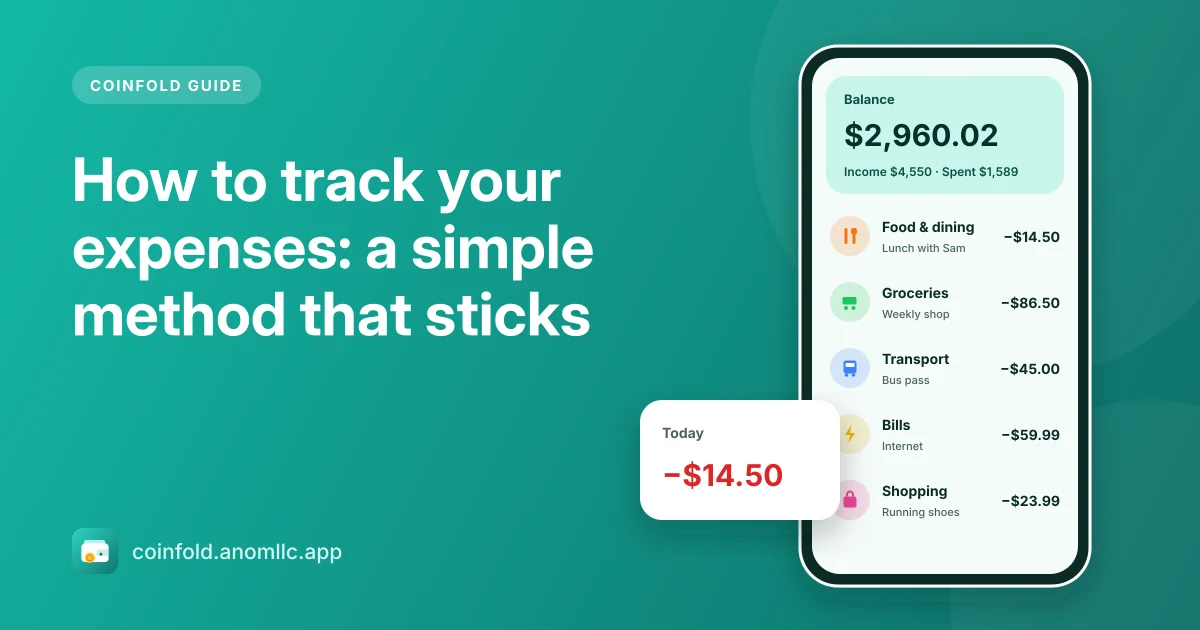
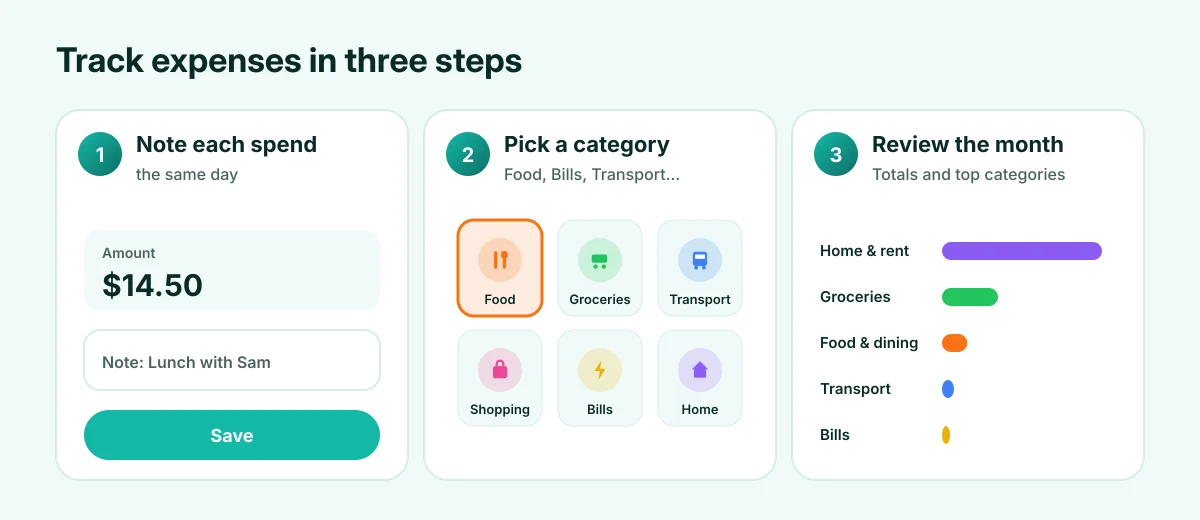
To track your expenses, write down every amount you spend, the same day, with a category, and look at the totals once a month. That's it. The method fails for most people not because it's hard, but because they try to record too much detail, or catch up a week later and give up. Keep each entry to an amount and a category, and make it a daily habit.
What to write down
For each expense, three things are enough:
- The amount. Exactly what left your pocket or account.
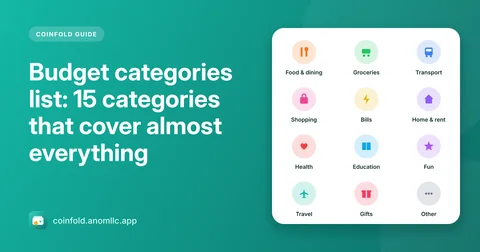
- A category. Food, groceries, transport, bills and so on. Ten to fifteen categories cover almost everyone; see our list of budget categories.
- The date. Usually today.
A short note helps for the things you'll want to recognise later ("dinner with Sam", "phone bill"), but it's optional. Record income too, such as your salary, so you can see what's left.
Make it a two-minute daily habit
- Record as you go, right after paying, or once in the evening. Anything older than a day is easily forgotten.
- Round small amounts if it helps. Being roughly right every day beats being exactly right once a month.
- Don't skip cash. Cash and small card payments are exactly what people underestimate.
- Missed a day? Add it with yesterday's date and move on. Don't let one gap end the habit.
Look at the month
Once a month, check three numbers:
- Total spent against what you earned.
- Your top three categories. Spending is rarely spread evenly; usually two or three categories make up most of it.
- Anything that surprised you. That's the one to work on next month.
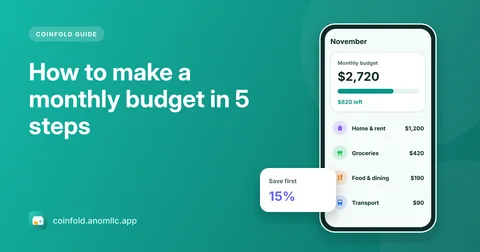
After two or three months you'll know your real numbers, which is the best starting point for a monthly budget.
Tracking expenses with Coinfold
- Tap Add. The amount field is ready for typing.
- Type the amount and tap a category. Coinfold remembers the category you used last.
- Pick a date if it wasn't today: Today, Yesterday or any earlier day.
- Save.
Home shows the month's balance, income and spending, with every entry grouped by day. Reports shows spending by category, biggest first, and the last six months side by side. Coinfold doesn't connect to your bank, so nothing is imported automatically, but that's also the point: typing each amount makes you notice it. Your entries stay on your phone, and you can export them to a spreadsheet any time.
Paper, spreadsheet or app?
All three work if you keep the habit. A notebook is simple but adding up takes time. A spreadsheet is flexible but awkward on a phone. An app is quickest on the go and does the totals for you. Pick the one you'll actually open every day.
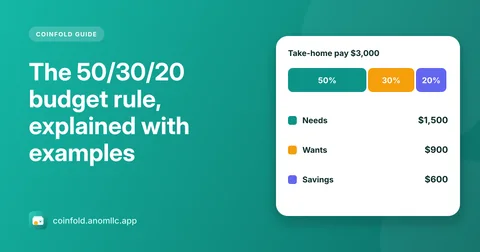
Next: try the 50/30/20 rule on your first month of numbers.